



stainless filler metal selector guide
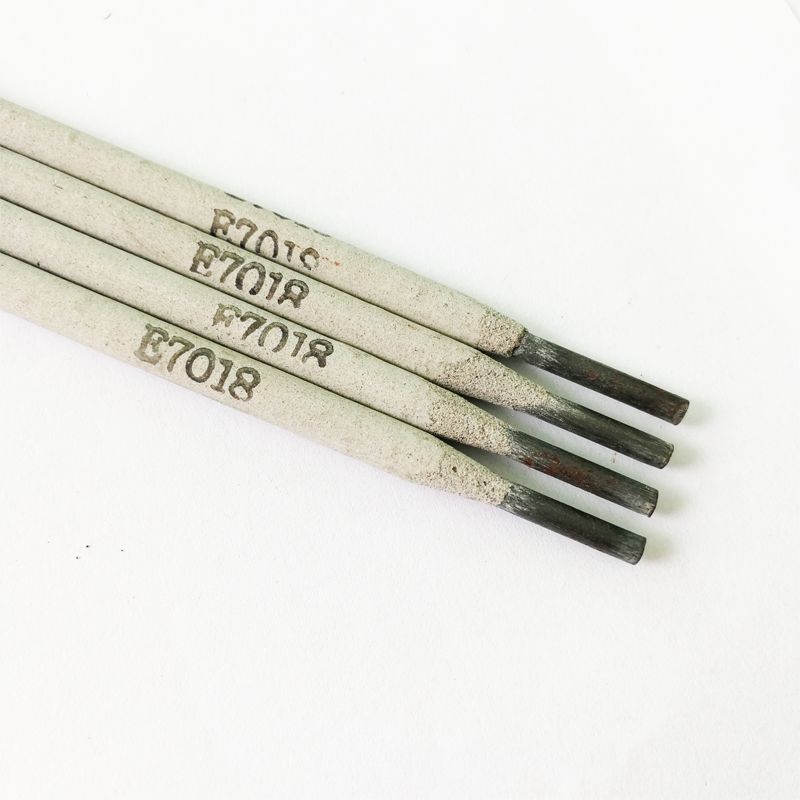
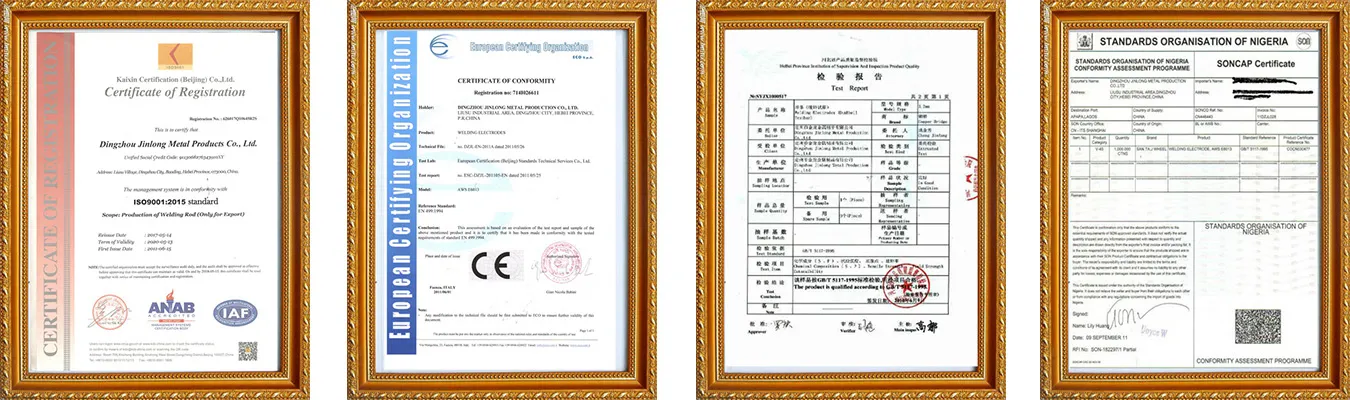
Aluminum Magnesium 5356 Argon Arc Welding Wire: Field Notes, Specs, and Buying Tips If you work aluminum day in, day out, you’ve probably argued about filler choice over coffee. For many shops, argon arc welding wire in 5356 is the go-to. I’ve seen it on boat hull seams, EV battery trays, and bicycle frames. It’s reliable, it flows nicely on AC TIG, and it anodizes with a better color match than 4043—actually, that’s a common reason fabricators switch. What’s trending on the shop floor Two things: automation and traceability. Pulsed AC TIG on robots is becoming normal even for small runs, and buyers now ask for heat numbers and ISO/AWS conformity on every spool. Many customers say they want level-wound wire with tight cast/helix for stable feeding—surprisingly, that’s what separates clean beads from the little wobbles you can’t tune out with settings. Key applications and real-world notes Marine fabrications (5083/5086 plates), small craft hulls, handrails—good corrosion resistance. Automotive and EV: battery trays, intercooler piping, brackets. Sports gear: bicycle frames, racks, trailers. General fabrication where higher as-welded strength than 4043 is useful. Caveat: for long-term service above ≈65°C, evaluate stress-corrosion risk on high-Mg alloys. It’s not a deal-breaker—just test and document. In fact, that’s what the better vendors will advise you to do. Product snapshot: Aluminum Magnesium 5356 Aluminum Alloy argon arc welding wire AWS/ISO Grade AWS A5.10 ER5356 / ISO 18273 S Al 5356 Alloy System Al–Mg (≈5% Mg) Diameters (mm) 0.8, 1.0, 1.2, 1.6, 2.0, 2.4 (others on request) Shielding Gas 100% Ar (thick sections: Ar/He blends) Process GTAW/TIG (AC), also GMAW/MIG (DCEP) Mechanical (typ.) UTS ≈ 290–310 MPa; Elongation ≈ 17–25% (real-world use may vary per procedure) Spools 1–15 kg, level-wound; vacuum/foil with desiccant From billet to spool: how it’s made and checked Materials: primary Al + Mg master alloy, low-Na fluxes; traceables kept by heat/lot. Methods: continuous casting → drawing → intermediate anneal → precision drawing → level winding → cleaning. Testing: chemical (OES), diameter tolerance (±≈0.02–0.03 mm), cast/helix per internal spec, surface oxide and hydrocarbon checks, tensile on deposit coupons (AWS A5.10), procedure qualification to AWS D1.2/ISO 15614-2 where needed. Service life: in marine with proper prep/coating, >10 years is normal; joints in cyclic load should be qualified by fatigue testing where critical. Certifications: ISO 9001 plant QA; CE (EN 13479) and RoHS statements commonly provided. Vendor snapshot and what to ask before buying Feature Jinlong (Hebei, China) Importer A EU Brand B Origin Liusu Industrial Area, Dingzhou City Mixed EU Diameter tolerance ≈ ±0.02–0.03 mm ≈ ±0.05 mm ≈ ±0.02 mm Cast/Helix control Tight, level-wound Varies by lot Tight Lead time Around 7–15 days 30+ days 10–20 days Certs & traceability AWS/ISO certs, lot COA Basic Full Price index 100 115 160 Pro tip: ask for cast/helix data and a spool photo. If the wind pattern looks uneven, feeding will tell on the bead, no matter how good your machine is. Customization and feedback OEM labels, special diameters (say 1.3 mm), spool color, and moisture-barrier packaging are common requests. Many customers say the anodized color match with 5356 is “close enough” for visible welds—your mileage may vary with base alloy and prep. For critical jobs, qualify WPS to AWS D1.2 and document parameters for the specific argon arc welding wire lot you receive. Two quick case notes Marine ladder fab shop cut repair rates by ≈30% after switching to tighter-tolerance 5356 and sealed packaging. EV tray maker improved fillet consistency on AC TIG by pairing helium-assist (30% He) with 1.2 mm argon arc welding wire for thick corners. Standards you’ll likely cite on the PO AWS A5.10 / ISO 18273 for consumable classification and testing. AWS D1.2 for structural aluminum procedures/qualification. ISO 9606-2 for welder qualification (aluminum) and ISO 6892-1 for tensile testing of coupons. References AWS A5.10/A5.10M: Specification for Bare Aluminum and Aluminum-Alloy Welding Electrodes and Rods. ISO 18273: Welding consumables — Wire electrodes, wires and rods for welding of aluminium and aluminium alloys. AWS D1.2/D1.2M: Structural Welding Code — Aluminum. The Aluminum Association, Aluminum Standards and Data (latest edition).

WHAT CUSTOMERS SAY
The welding rods and wires from this company are of excellent quality and reliable performance. Their products provide consistent results, meeting our production needs perfectly. Customer service is professional and responsive, always addressing inquiries promptly. Deliveries are timely, ensuring our operations run smoothly without delays.
——Helen

EXCLUSIVE CUSTOMIZED SERVICE

Feel free to reach out anytime.

Please tell us more about what you need.

We’ll finalize the date shortly.

We’ll make sure to note down your request.

Contact us online anytime.

Ensuring consistent production quality.

Get in touch with us online.

Caring every step.

 English